


Nature
Ecology
National Parks
Geography
Archeology
Paleontology
Tips on Argentina – Useful information
Useful Information for the Traveler
Beaches
Volcanoes
Estancias
Health / Spa / Thermal
The local currency is the Peso ($)
If you need to exchange foreign currency, concur to an exchange or an authorized bank. In hotels and serious shopping dollars are accepted without problem.
Ski
Mountaneering
Trekking
Rafting / Kayak
Rugby
Golf
Soccer / Football
4 x 4 Voyages
Polo

Arts & Culture
Legacy & Tradition
Food / Restaurants
Crafts
City Life
Tango
Entertainment
Products / Business

Pesos, bills and coins, Argentina currency
The Argentine currency is the Peso. 1 u$s = ($) 1,450 Argentine pesos (approx, since the quote varies daily) If you need to exchange foreign currency, it concurs to an authorized exchange or a bank. In these places the quote will be the "official" , about 10% less than in the "Blue" or black market.
On Florida Street in the City of Buenos Aires there are "arbolitos" (people who buy and sell foreign currencies to tourists. The same is true in the centers of the most important cities in the country. Serious hotels and shops accept dollars without problem. There are (fewer and fewer) restrictions on the purchase and sale of foreign exchange.
Electricity - Voltage

Argentina uses a 220 Voltage, so if you are going to bring any appliances bear in mind that you should have a transformator or consult an electrician.
Bank and Commercial hours
Regular banking hours are Monday through Friday 10 a.m.
to 3 p.m. Regular store hours are Monday through Friday 9 a.m. to 8 p.m. and Saturdays 9 a.m. to 1 p.m. Shopping malls and certain supermarket chains are open every day 10 a.m. to 10 p.m. On certain main streets of the city you will also find stores open on Saturday afternoon. In the interior of the country, people are used to doing siesta, so stores are closed between 1:30 and 4 p.m.
Shops
They are open from Monday to Friday from 9 to 20, and on Saturdays from 9 to 13, although the shops of the big avenues remain open all afternoon. In the shopping the schedule extends until 22 even on weekends and some holidays.
National Holidays
January 1: New Year
February (about 10 to 15): Carnival
March 24: National Day of Memory for Truth and Justice
March (late) April (early): Holy Week
April 2: Veterans Day and Memorial in the Malvinas War
May 1: Labor Day
May 25: First National Government. Day of the May Revolution
June 20: Flag Day. Death Anniversary of General Manuel Belgrano
July 9: Independence Day
August 17: Death Anniversary of General José de San Martín
October 12: Columbus Day. Day of Respect for Cultural Diversity
November 20: Day of National Sovereignty
December 8: Feast of the Immaculate Conception of Mary
December 25: Christmas
Taxes
All purchases or consumptions are charged a 21% tax called I.V.A. (a type of sales tax) and in some cases tourists can get a refund for it when leaving the country
Arriving in the country
Most countries get a 90-day stay permit and don’t need a visa, just a current passport. Neighbor countries need an ID only. If you need to stay over 90 days you should go to the Immigration office
(Av Antartida Argentina 1355, Capital federal.
You can bring domestic animals with the necessary documentation and vaccination. But, no plants, fruits, vegetables or perishable foods are allowed (marmalade, fresh produce, etc).
If you are bringing your car or renting one you need a valid international drivers license.
Safety
Federal Police Officers are on foot, on horse, on motorcycle and on cars. You can see them in their dark blue uniform, occasionally wearing an orange vest while directing traffic. If you have any problem go directly to them. In the port area, safety is in the hands of the Prefectura Naval, they wear brown uniforms. They don’t always speak English, but they’ll do their best to help you. In the frontiers, the Gendarmeria Nacional will take care of the safety. They wear olive green uniforms.
We recommend:
 That you leave your passport, airplane ticket, valuables and cash, in the safety deposit box at the hotel, That when making a payment you don’t exhibit a large amount of cash, That you don’t leave your handbag, camera, shopping bags or any other valuable unattended, That you don’t walk in dark streets or desert areas late at night, That you always ask for a receipt when you purchase something.
Tips
It is a costume to leave tips at bars and restaurants. It is usually a 10% of the total of the receipt. In other services it is not obligatory but you may still wish to leave a tip.
Rules of Courtesy
The most common way of salute is a handshake. If the relationship is closer you may want to give a little peck on the cheek. It is of common courtesy to bring a small gift when you visit a house.
Urban Transportation: Train, Bus and Subway - CARD SUBE
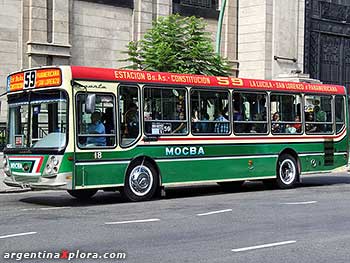
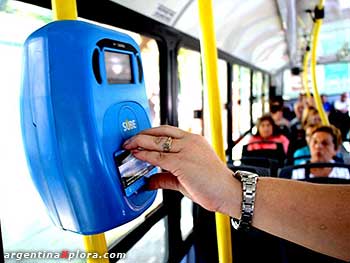
To move use the SUBE card cards that can be purchased in some kiosks and Lottery premises and loaded at any subway station and / or kiosks throughout the city of Buenos Aires.
They serve for all urban transports such as trains, subways or Micros / omnibus / buses / bonds.
Communication
Mobile Phones
Companies: Claro, Movistar and Personal
 In Argentina, cell function based on GSM and 4G technology. However, computers can be used in GSM technology throughout Argentina by service "Roaming" offered by cell phone companies.
Mobile Internet:
The cellular mobile telephone companies offer mobile internet service
Secretaria de Turismo de La Nación
The National Tourism Office has a free 24-hour telephone service where you can get answers to all your questions:☎ 0-800-555-0016 or you can go directly to the offices located at:
Aeropuerto de Ezeiza, International Flights:☎ 4480-0224/0227/0092 (8 am to 8 pm)
Aeroparque, Central Sector:☎ 4771-0104 (8 am to 8 pm)
Main Information: Av Santa Fe 883, between Suipacha and Esmeralda, Buenos Aires, ☎ 4312-2232
In every town you will find a tourist information center. They are usually located at airports, bus and stations and in Town Halls
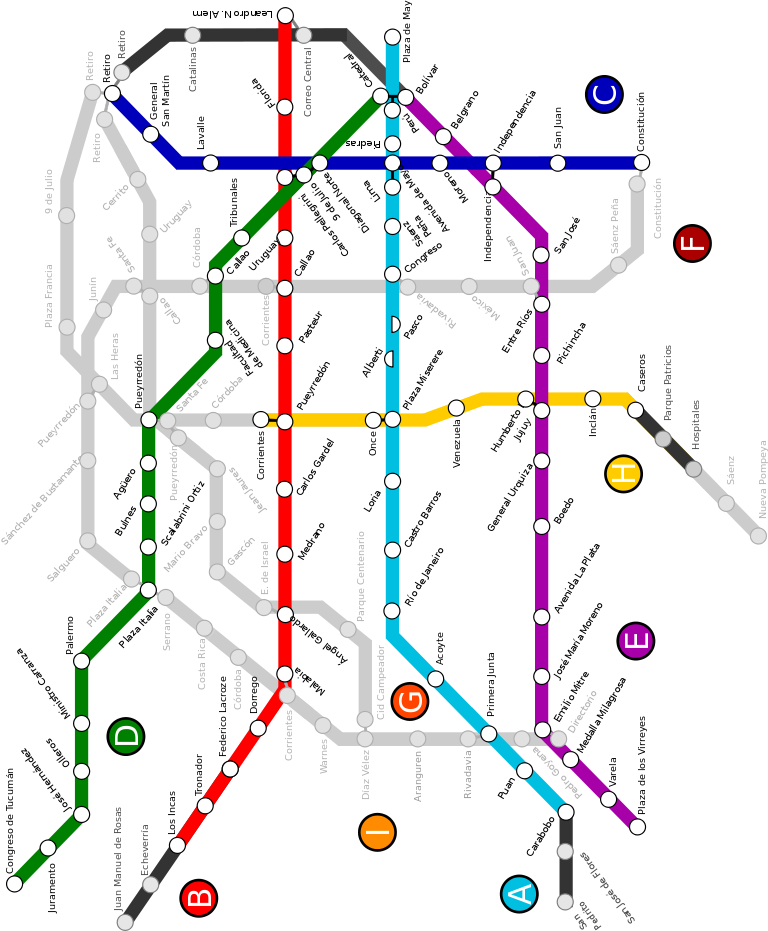
SUBWAY MAP
© Copyright. argentinaXplora.com
2000 - 2026
All rights reserved.